Learn the History Behind the Records
One of the first things I learned was the importance of knowing the history, culture, and language of the places I was researching. This knowledge often helps you understand unclear details in older records, and it also gives context to the people you discover.
Avoid a Modern Mindset
I made a common mistake when I started my research. I viewed historical records with a modern mindset, which led to confusion. Job titles from earlier centuries often carried different meanings, and the word “housekeeper” is one example that can mislead new researchers. It seems familiar, yet its meaning in seventeenth and eighteenth century Jamaica was very different.
Many people during those time periods could not read or write. As a result, spellings changed from one document to the next, and ages or birthdates often shifted as well. Church records also used labels for children born outside of marriage that may feel unfamiliar today. These details can be surprising. However, they become easier to understand once you expect variations and review each document with care.
Study Jamaican and English History
Research becomes clearer when you understand the larger events that shaped the records. Jamaican and English history provides helpful context because major changes influenced where information was stored and how families moved.
Parish mergers, the loss of older parishes, and the shift from church records to civil registration often changed the way information was recorded. Migration waves added even more complexity. Many Jamaicans traveled to Cuba, Panama, and Costa Rica for work with sugar companies or the United Fruit Company, and this movement affected family lines. Historical moments such as Emancipation in eighteen thirty four, Jamaican Independence in nineteen sixty two, and the Windrush generation also shaped how families spread across different regions.
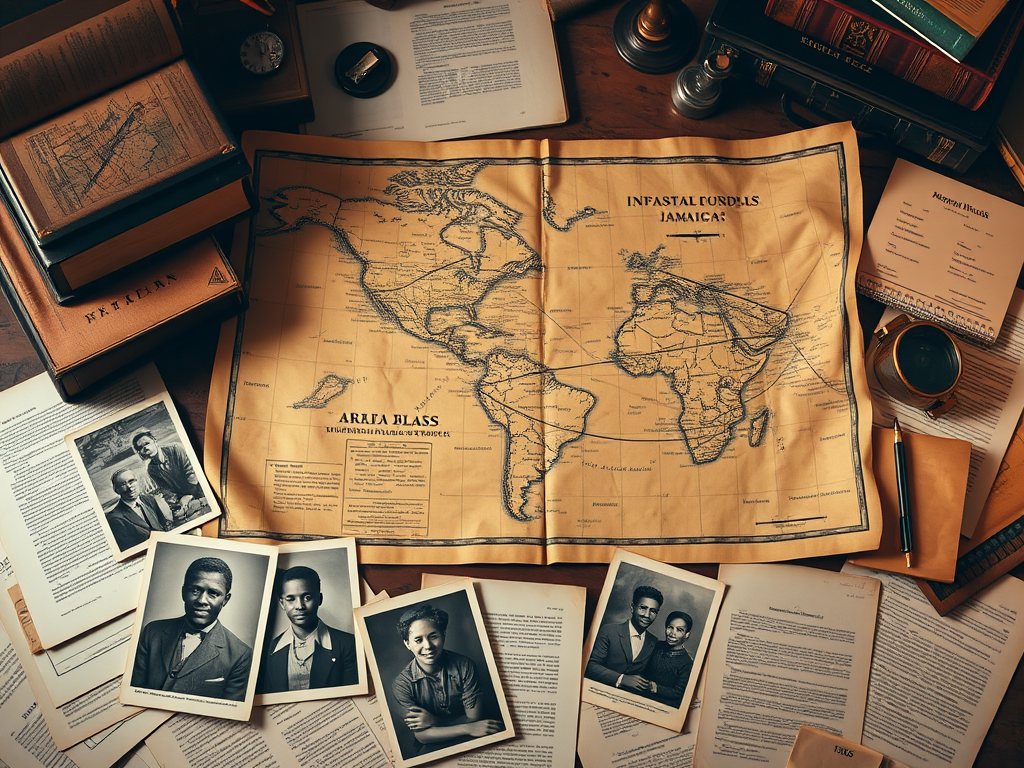
Historical maps give useful guidance as well. They show distances, changing parish boundaries, and the landscape as it appeared during different time periods, which helps you understand record patterns more clearly.
Be Careful with Assumptions
Family research can feel exciting, and it is easy to make quick connections. I learned to slow down, because assumptions often lead to mistakes. I added people to my tree several times and later removed them after noticing details that did not match. Good theories support your research, yet solid proof is always more reliable.
Careful notes and saved records often provide unexpected help. A detail that seems unimportant at first may later confirm an entire branch of your research.
Choose Tools That Work for You
Many tools are available to help you stay organized. I use Ancestry to build my tree, and I shift between Excel sheets and online databases as needed. Each system offers different strengths, and the best choice depends on your own style and workflow. Consistent organization makes the research process easier and also prevents errors.